Learning how to make a healthy barbecue recipe starts with swapping processed meats and heavy sauces for lean proteins, vibrant vegetables, and homemade marinades that reduce carcinogens while maximizing flavor.
American families are moving away from traditional high-sodium, high-fat BBQ staples in favor of “clean-fire” cooking, which prioritizes whole ingredients that support heart health and energy levels.
By utilizing the high-heat sear of the grill to caramelize natural sugars in produce and lock in juices in lean meats, you can create a culinary experience that is both indulgent and nutritionally superior for every age group at the table.
For parents, the challenge often lies in making nutritious food appealing to children while maintaining the smoky, charred essence that defines an American cookout.
The secret is in the science of the marinade; acidic bases like lemon juice or apple cider vinegar not only tenderize tougher cuts but also significantly lower the formation of Heterocyclic Amines (HCAs) during the grilling process.
This proactive approach to cooking ensures that the weekend tradition remains a cornerstone of family bonding without compromising long-term wellness goals or dietary restrictions common in modern households.
Understanding the balance of macronutrients and the power of antioxidants in grilled produce will transform your backyard sessions into a powerhouse of nutrition.
This guide provides an analytical look at the best substitutions, ensuring your grill is a tool for health rather than a source of empty calories. We have curated specific, family-friendly methods that replace the “heavy” feeling of traditional BBQ with a light, energized satisfaction. Continue reading to discover the precise steps and recipes that will redefine your next outdoor meal.
Read More
Healthy Barbecue Recipes for Everyone
Redefining the American barbecue requires a shift in perspective: the grill is not just for meat; it is a high-heat convection oven that can transform the humblest vegetable into a gourmet side. When making a healthy barbecue, the first step is the “Protein Pivot.” Below are four curated recipes designed for maximum nutritional impact and flavor.
1. Lemon-Garlic Mediterranean Turkey Burgers
Ingredients:
- 1 lb ground turkey breast (99% lean)
- 1 cup fresh spinach, finely chopped
- 1/4 cup crumbled feta cheese
- 2 cloves garlic, minced
- 1 tsp dried oregano
- 1/2 tsp sea salt and black pepper
- 1 tbsp avocado oil (for the grill)
- For Serving: Sprouted grain buns or large butter lettuce wraps.
Instructions:
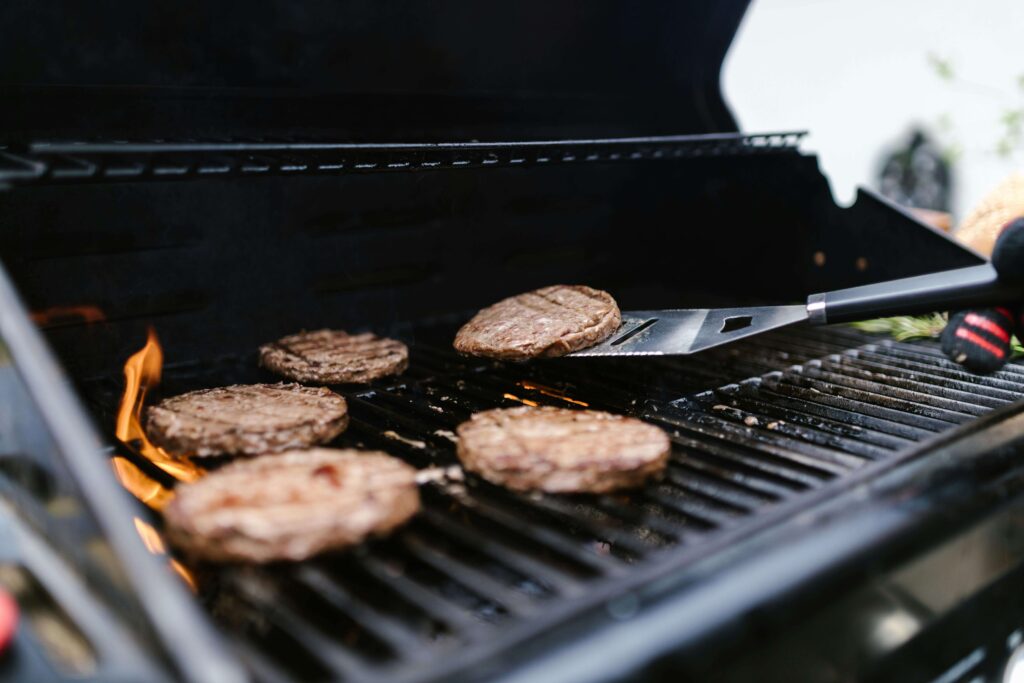
- In a large bowl, combine the ground turkey, chopped spinach, feta, minced garlic, oregano, salt, and pepper. Mix gently with your hands until just combined (do not overwork the meat).
- Form the mixture into 4 equal-sized patties, about 3/4-inch thick.
- Preheat your grill to medium-high heat (approx. 400°F) and lightly brush the grates with avocado oil.
- Grill the patties for 5–6 minutes per side. Use a meat thermometer to ensure the internal temperature reaches 165°F (74°C).
- Remove from the grill and let rest for 3 minutes before serving on buns or lettuce wraps.
2. Wild-Caught Alaskan Salmon with Maple-Mustard Glaze
Ingredients:
- 4 wild-caught Alaskan salmon fillets (approx. 6 oz each)
- 2 tbsp pure maple syrup
- 1 tbsp Dijon mustard
- 1 tsp apple cider vinegar
- 1/2 tsp smoked paprika
- Optional: 1 cedar plank (soaked in water for 2 hours prior).
Instructions:
- In a small ramekin, whisk together the maple syrup, Dijon mustard, apple cider vinegar, and smoked paprika.
- Pat the salmon fillets dry with a paper towel. Brush the glaze generously over the top of each fillet.
- Prepare the grill for medium heat. If using a cedar plank, place it on the grill until it starts to lightly smoke.
- Place the salmon on the plank (or directly on well-oiled grates, skin-side down).
- Close the grill lid and cook for 8–12 minutes, depending on thickness, until the salmon flakes easily with a fork and reaches an internal temperature of 145°F (63°C).
3. Rainbow Veggie Skewers with Balsamic Reduction
Ingredients:
- 2 red bell peppers, cut into 1-inch squares
- 2 medium zucchinis, sliced into 1/2-inch thick rounds
- 1 large red onion, cut into wedges
- 1 pint cherry tomatoes
- 2 tbsp avocado oil
- 1/4 cup balsamic vinegar (reduced to a glaze)
- Wooden or metal skewers (soak wooden skewers in water for 30 mins).
Instructions:
- Thread the vegetables onto the skewers, alternating colors to create a “rainbow” effect (e.g., tomato, pepper, onion, zucchini).
- Brush the skewers on all sides with avocado oil and season lightly with sea salt.
- Place skewers on a preheated medium-high grill.
- Grill for 8–10 minutes, turning occasionally, until the vegetables are tender and have visible char marks.
- While grilling, simmer the balsamic vinegar in a small pan over low heat until it thickens into a syrup. Drizzle the reduction over the skewers just before serving.
4. Balsamic-Marinated Portobello “Steaks”
Ingredients:
- 4 large Portobello mushroom caps, stems removed and cleaned
- 3 tbsp balsamic vinegar
- 2 tbsp extra virgin olive oil
- 1 tbsp fresh thyme leaves (or 1 tsp dried)
- 1 clove garlic, smashed
- Black pepper to taste.
Instructions:
- In a shallow glass dish, whisk together the balsamic vinegar, olive oil, thyme, garlic, and pepper.
- Place the mushroom caps in the marinade, turning to coat both sides. Let marinate at room temperature for at least 30 minutes.
- Preheat the grill to medium-high heat.
- Place the mushrooms on the grill, gill-side up. Cook for 4–5 minutes.
- Flip the mushrooms and cook for another 4 minutes until they are tender and juicy.
- Slice the caps into thick strips to serve them like traditional steak “strips.”
Nutritional Benefits: A Deep Dive into Ingredients
The ingredients selected for these recipes serve a dual purpose: flavor and function. Turkey and salmon provide high-quality protein, which is essential for muscle repair and satiety.
Unlike red meat, turkey is lower in purines, making it easier on the digestive system, while the Omega-3s in salmon act as natural anti-inflammatories.
When we analyze the vegetables, the benefits become even more pronounced. Bell peppers contain more vitamin C than oranges, which aids in collagen production and immune support, vital for active families.
Furthermore, using avocado oil and balsamic vinegar instead of store-bought BBQ sauces eliminates the “hidden” sugars—often high-fructose corn syrup—that lead to energy crashes and inflammation.
The polyphenols found in balsamic vinegar have been shown to improve digestion and stabilize blood sugar levels. By focusing on these whole-food components, the barbecue becomes a medically sound choice for managing weight and improving metabolic health without sacrificing the social joy of a cookout.
Smart Sides and The Finish Line
A healthy barbecue isn’t complete without sides that mirror the quality of the main course. Try the Avocado-Lime Slaw. By replacing mayonnaise with mashed avocado, you swap saturated fats for monounsaturated fats and add a significant dose of potassium. For dessert, try grilled peach halves with a dollop of Greek yogurt.
Grilling the peaches breaks down the fiber slightly, making the vitamins more bioavailable while creating a natural caramelization that satisfies any sweet tooth.
Conclusion
Mastering healthy barbecue recipes is about more than just a single meal; it is about establishing a legacy of health for your family.
By choosing lean proteins, embracing the diversity of the vegetable kingdom, and utilizing healthy fats like avocado oil, you transform the backyard grill into a sanctuary of wellness. The transition from heavy, processed foods to fresh, vibrant alternatives ensures that everyone leaves the table feeling energized and nourished.
As you move forward, remember that the most important ingredient is consistency. Whether you are using cedar planks for your salmon or marinating your portobellos in balsamic, these small choices accumulate into significant health dividends.
Let your next barbecue be a celebration of flavor, family, and the vibrant health that comes from eating real, whole foods. The fire is ready—it’s time to cook for a better future.
Frequently Asked Questions
1. How do I prevent my lean meats from drying out on the grill?
The key is a “brine-style” marinade. Use a mix of citrus juice and a small amount of salt to help the proteins retain moisture. Also, use a digital meat thermometer to ensure you pull the meat off the grill the moment it reaches the safe internal temperature.
2. Is grilling vegetables as healthy as eating them raw?
In some cases, yes! For example, grilling tomatoes increases the bioavailability of lycopene, a powerful antioxidant. The short cooking time and high heat of the grill preserve most vitamins while adding a depth of flavor that encourages children to eat more produce.
3. What is the safest oil to use for high-heat grilling?
Avocado oil is the gold standard. It has a smoke point of approximately 520°F, meaning it won’t break down into harmful free radicals easily as olive oil or butter when exposed to the intense heat of the grill.
4. How can I reduce the risk of carcinogens (HCAs) when grilling?
Always marinate your meat for at least 30 minutes in an acidic base (vinegar or citrus). This creates a protective barrier. Additionally, keeping the grill grates clean and avoiding “flare-ups” that char the meat excessively will significantly reduce these compounds.
5. Are wood chips healthy to use for flavoring?
Yes, as long as they are natural hardwoods like hickory, apple, or mesquite. They add flavor through smoke rather than chemicals or high-calorie sauces. Just ensure they haven’t been treated with chemicals or lighter fluid, which can leave toxic residues on your food.