How to Make a Healthy and Delicious Chicken Breast
Chicken breast is a versatile and lean source of protein, making it a staple for anyone focused on a healthy diet.
Packed with essential nutrients, it supports muscle growth, weight management, and overall wellness. Preparing it correctly ensures that meals are not only nutritious but also flavorful and satisfying.
Choosing the right cooking method is crucial. Overcooking can make chicken dry and less appealing, while proper techniques like grilling, baking, or poaching maintain its juiciness and maximize nutritional value.
In addition, using herbs, spices, and light marinades can enhance flavor without adding unnecessary calories or unhealthy fats.
This guide will provide professional, step-by-step instructions to prepare chicken breast that is both healthy and delicious.
From selecting high-quality cuts to cooking and serving, you’ll learn how to make meals that are nutritious, enjoyable, and suitable for a variety of diets. Keep reading to master the art of cooking chicken breast perfectly.
Choosing the Right Chicken Breast
Selecting high-quality chicken breast is the foundation of a healthy dish. Opt for fresh, skinless, and boneless cuts to reduce saturated fat intake.
Organic or free-range chicken often provides better flavor and fewer additives. Always check expiration dates and appearance; the meat should be firm and pink with minimal odor.
Consider portion sizes for meal planning — about 3 to 4 ounces per serving is recommended for balanced nutrition.
Buying from trusted sources or local farms can also enhance quality and sustainability. Proper selection ensures a safe and nutritious meal while supporting optimal taste and texture in your dishes.
Preparing the Chicken Breast
Start by rinsing the chicken under cold water and patting it dry with paper towels. Trim any visible fat or connective tissue to reduce calories.
Marinating the chicken is a great way to add flavor while keeping it healthy. Use olive oil, lemon juice, garlic, and herbs for a light marinade.
Avoid heavy sauces or excessive salt. Allow the chicken to marinate for at least 30 minutes to enhance flavor and tenderness.
Proper preparation ensures even cooking and maximizes both taste and nutritional benefits, making it the first essential step in your healthy chicken breast recipe.
Cooking Methods
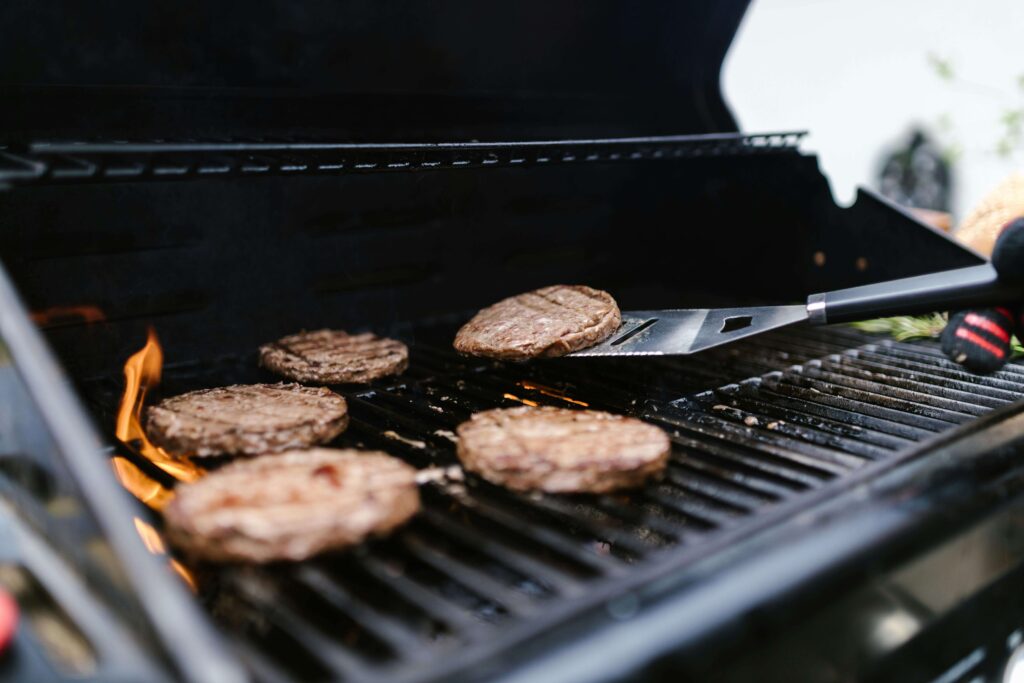
- Grilling: Provides a smoky flavor with minimal added fat. Cook over medium heat to maintain juiciness.
- Baking: Ideal for consistent heat and easy cleanup. Bake at 375°F (190°C) for 20-25 minutes.
- Poaching: Gently cook in simmering water or broth, preserving moisture and nutrients.
- Sautéing: Use a nonstick pan with a small amount of healthy oil, such as olive or avocado, for quick cooking.
Each method has benefits; choose one based on flavor preference, convenience, and nutritional goals. Avoid deep frying or heavy breading to maintain healthfulness. Monitoring internal temperature to 165°F (74°C) ensures safety without overcooking.
Chicken Breast Flavoring and Seasoning
Enhancing the flavor of your chicken breast is essential to make healthy meals enjoyable and satisfying. Start with fresh herbs such as rosemary, thyme, parsley, or basil.
These herbs not only add vibrant aromas and taste but also contribute antioxidants and other beneficial compounds. Spices like paprika, cumin, turmeric, black pepper, or chili powder bring depth and warmth to the dish without adding extra calories.
For a moist and flavorful result, consider creating simple marinades using citrus juice—lemon, lime, or orange—combined with garlic, a small amount of olive oil, and your favorite herbs.
Yogurt-based marinades are also excellent for tenderizing chicken while adding a subtle creamy flavor. Avoid pre-packaged seasoning mixes that are often high in sodium, sugar, or artificial additives.
Instead, blend your own seasoning mixes using dried herbs, spices, and a pinch of sea salt for controlled flavor and health benefits.
Layering flavors by marinating for 30 minutes to a few hours allows the chicken breast to absorb the seasoning fully, ensuring every bite is savory and juicy.
Additionally, experimenting with global flavor profiles—such as Mediterranean, Indian, or Latin-inspired spice blends—can keep your meals interesting while remaining aligned with health-conscious goals.
Combining these natural herbs, spices, and light marinades consistently produces a satisfying, flavorful dish that proves eating healthy doesn’t mean sacrificing taste.
Serving and Pairing
Pairing your chicken breast with nutrient-dense sides transforms it into a well-rounded, balanced meal.
Steamed, roasted, or grilled vegetables—such as broccoli, asparagus, bell peppers, zucchini, or carrots—add vitamins, minerals, and fiber while keeping the dish light.
Whole grains like quinoa, brown rice, or farro complement the lean protein, providing sustained energy and satiety.
For added nutritional value, incorporate leafy greens, such as spinach, kale, or arugula, along with colorful produce like cherry tomatoes, red cabbage, or roasted beets to maximize antioxidants.
Healthy fats, in moderation, can be included through a drizzle of extra virgin olive oil, a sprinkle of nuts, or a light vinaigrette made with balsamic vinegar and lemon juice.
Mindful portion control ensures you balance protein, carbs, and fats according to your dietary needs, helping support weight management, muscle recovery, and overall wellness.
Serving chicken breast with wholesome, nutrient-rich sides not only creates visually appealing meals but also encourages consistent healthy eating habits.
Additionally, rotating different vegetables, grains, and flavor combinations prevents meal fatigue and keeps your diet diverse.
By planning meals thoughtfully, you can enjoy delicious, satisfying chicken breast dishes that cater to fitness goals, maintain optimal nutrition, and make healthy eating an enjoyable, long-term lifestyle.
Conclusion
Cooking a healthy and delicious chicken breast is simple when you follow professional guidelines.
Choosing quality meat, preparing it carefully, and selecting appropriate cooking methods preserves flavor and nutrients. Seasoning thoughtfully enhances taste without compromising health.
Pairing your chicken with balanced, nutritious sides completes the meal, making it perfect for fitness enthusiasts or anyone seeking a wholesome diet.
By applying these techniques, you can enjoy versatile, satisfying, and protein-rich meals every day. Experiment with herbs, spices, and cooking methods to find your perfect combination.
FAQs
1. How long should I cook chicken breast?
Cook until the internal temperature reaches 165°F (74°C). Times vary by method, typically 20-30 minutes.
2. Can I freeze cooked chicken breast?
Yes, properly stored in airtight containers, it lasts up to 4 months in the freezer.
3. What are some healthy marinades?
Use olive oil, lemon juice, herbs, garlic, and low-sodium soy sauce for flavor without excess calories.
4. How do I prevent chicken breast from drying out?
Marinate beforehand, cook at moderate temperatures, and monitor internal temperature closely.
5. Can I eat chicken breast on a low-carb diet?
Absolutely. Chicken breast is high in protein and contains virtually no carbs, making it ideal for low-carb and keto diets.